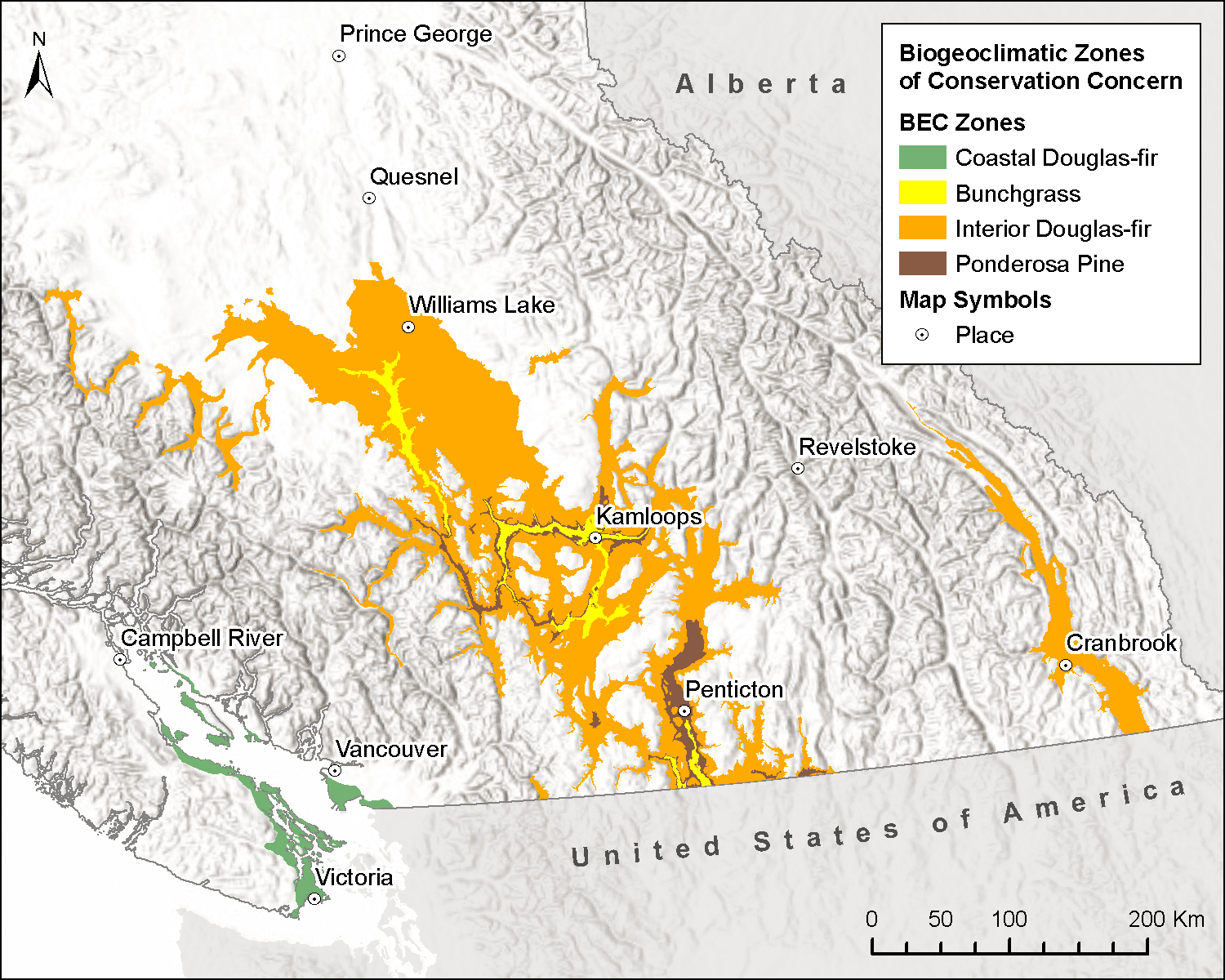
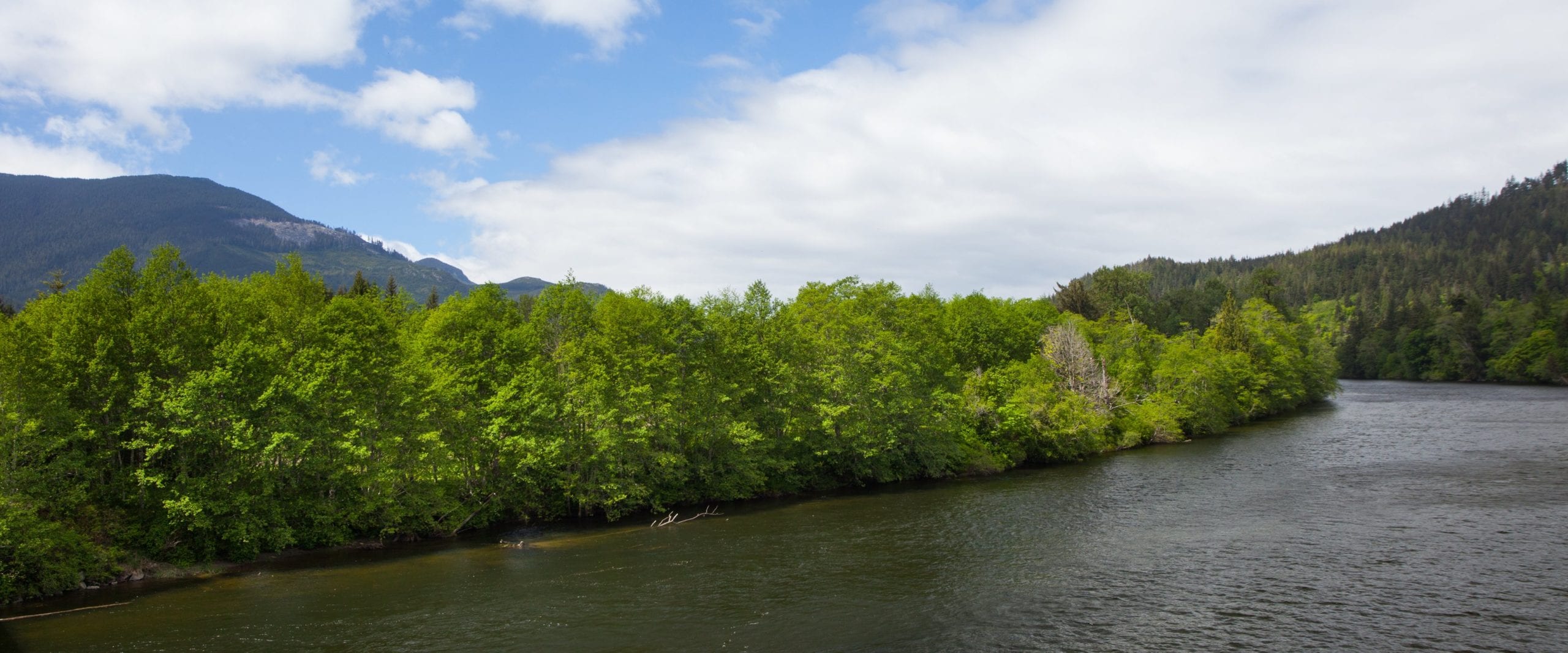
The Nature Trust of British Columbia secures wildlife habitat by direct land purchase, donations that include ecological gifts, life estates, conservation covenants, and by land lease or license. Our land acquisitions have formed the core lands for several major conservation programs, numerous provincially designated Wildlife Management Areas, Provincial Parks and other conservation initiatives.
The Nature Trust of BC uses science-based criteria to evaluate the importance of potential acquisitions based on the ecological significance and costs associated with securement and management of the land.
Ways to Conserve Land
Since 1971, The Nature Trust of British Columbia has acquired conservation lands that include fee simple acquisitions, conservation covenants, and long term leases or licenses on Crown land.
Fee Simple Acquisition
A Fee Simple acquisition means that The Nature Trust of BC owns the land, which is the most secure form of conserving land. There are a variety of ways that The Nature Trust obtains ownership of land. In many cases it can be a combination of mechanisms:
- land purchase,
- land donation, and/or
- transactions involving a partial donation with a cash purchase of the remaining fee simple title interest.
In specialized circumstances land owners have sold and/or donated land to The Nature Trust and have also retained a right to use the land. This has been done through a life estate.
Donations of land may also be gifted to The Nature Trust of BC under the federal Ecological Gifts Program. This program offers increased tax benefits to the donor. However, the donation must comply with the eco-gift requirements.
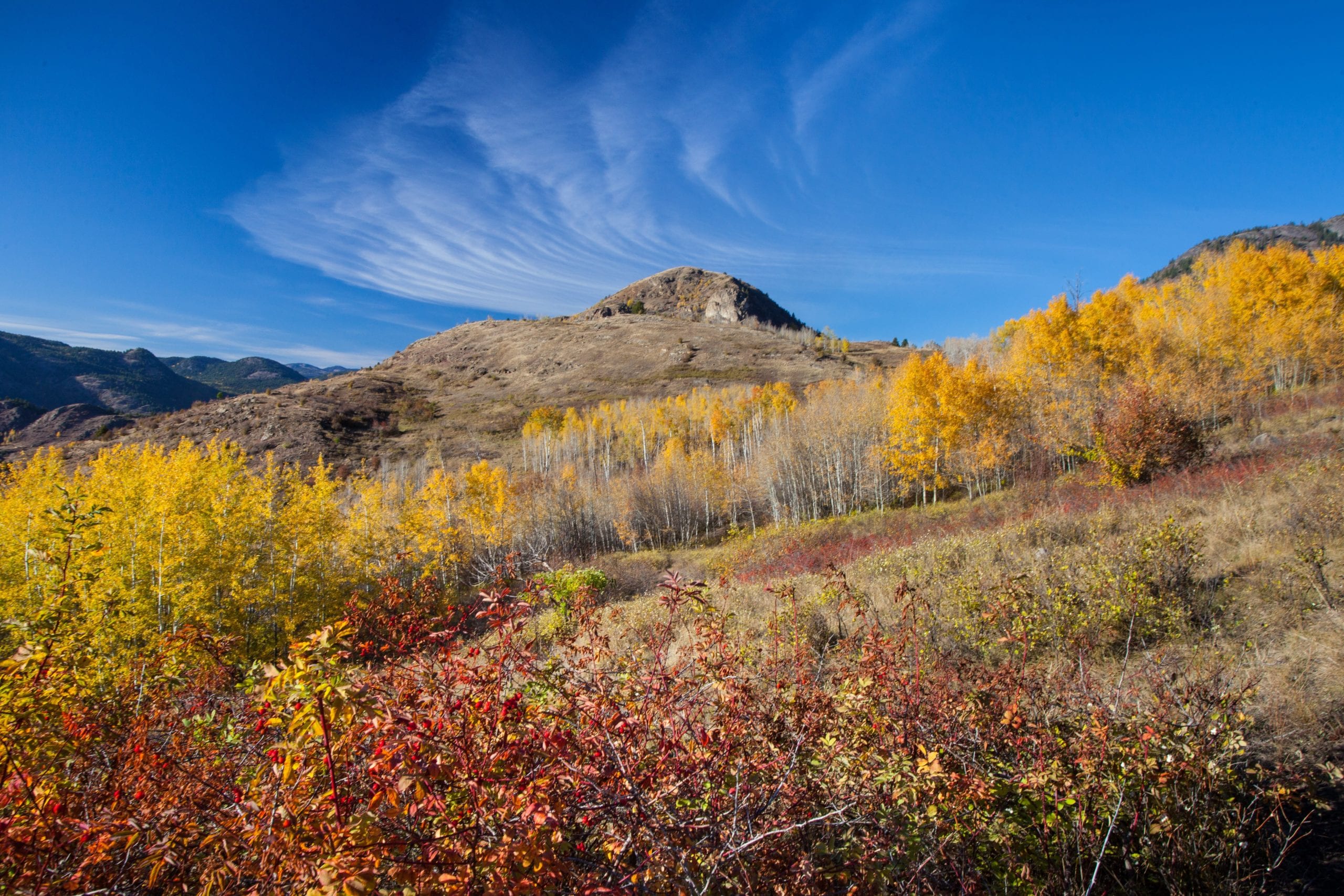
NTBC first conservation property, Grand Forks in Kootenay Boundary Region
Conservation Covenants
Conservation covenants provide an alternate approach to conserving habitat that does not involve the expense of purchasing the land fee simple.
A conservation covenant provides The Nature Trust of BC with a partial interest in land. It is a legally binding agreement, voluntarily entered into between the landowner and The Nature Trust, which restricts the use of the land to protect the conservation values of the property in perpetuity. The conservation covenant is registered against the title of the land and remains on the title no matter who subsequently owns the property. The conservation covenant is a tool that does not require the money to purchase a property. However, it is management intensive for The Nature Trust, as the covenant holder, to conduct the required annual monitoring of the land. As such, The Nature Trust will seek an endowment to support the ongoing management responsibilities of the conservation covenant.
The Nature Trust only receives conservation covenants as donations. Donations of conservation covenants may also be gifted to The Nature Trust of BC under the federal Ecological Gifts Program. This program offers increased tax benefits to the donor. However, the donation must comply with the eco-gift requirements.
Leases and Licenses
The Nature Trust is also responsible for overseeing the grazing management of 47,000 hectares (116,000 acres) of wildlife habitat conserved under long-term lease or grazing license. These conservation lands are part of The Nature Trust’s Biodiversity Ranches located in the South Okanagan.